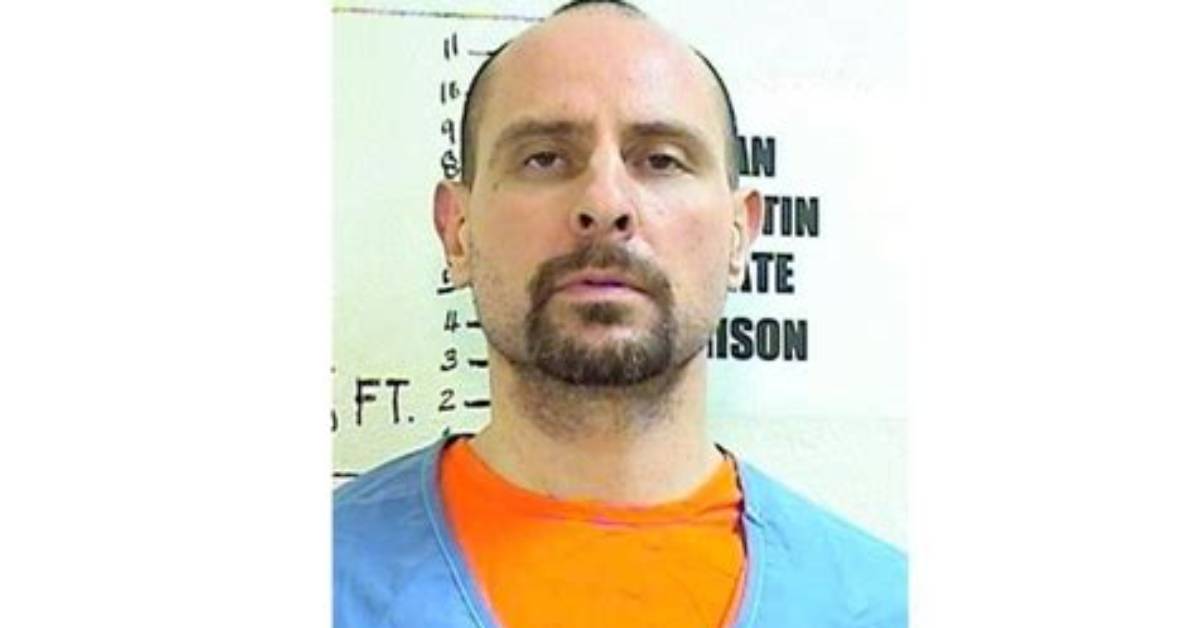
Breaking down the facts behind Timothy Joseph Mcghee Net Worth, Age, Height, Bio, Birthday, Wiki—check out the main takeaways.
Timothy Joseph McGhee is one of the richest Murderer from United States. According to our analysis, Wikipedia, Forbes & Business Insider, Timothy Joseph McGhee's net worth $5 Million. (Last Update: December 11, 2023)
Christina Duran (29), a friend of McGhee’s, learned of Marjorie Mendoza’s murder after McGhee solicited her help that same day. He needed to retrieve his girlfriend’s cellphone he had dropped at the scene of the Mendoza murder. Duran was unsuccessful in finding the cellphone, but police managed to locate it and used it as evidence in McGhee’s eventual trial. Shortly after the murder, Duran admitted to police during a videotaped interview with LAPD homicide detectives that McGhee was involved in the death of Mendoza. She was visibly shaken during the interrogation, frequently stating her fear of retribution. Two days after speaking with police, Christina Duran was killed in an execution-style murder on the night she celebrated her 29th birthday party, shot On the right side of the head five times allegedly by McGhee.
The earliest recorded act of violence committed by McGhee was a 1989 assault with a firearm when, at the age of 16, he pointed a shotgun at a guard while detained at a juvenile custody facility. In 1994, a 21-year-old McGhee was convicted of assaulting a law enforcement officer in San Bernardino County and was sentenced to four years in prison. He was released in 1997 after serving three years.
The organization claims the area north of Los Feliz Boulevard between San Fernando Road and the Los Angeles River as its territory and has expanded into at least three other suburbs of Los Angeles. At some point in the 1990s McGhee became the gang’s leader or “shot-caller”, demanding absolute loyalty from nearly 200 members, training his legion in calisthenics, target practice, tactics to elude police, and procedures to eliminate rival gang members. Toonerville Rifa 13 members were typically posted, armed with weapons, on three main roads that lead into their turf with cell phones or walkie-talkies for communication. The Toonerville gang’s main source of income was the drug trade, in which members and associates would deal drugs, consisting primarily of cocaine, methamphetamine, heroin, marijuana, and PCP, were dealt out of numerous “trap-houses” operating within the gang’s zone of control. The gang also possessed and sold an arsenal of weapons ranging from handguns to AK-47s.