Phillis Wheatley height Not available right now. Phillis weight Not Known & body measurements will update soon.
 Alexander Ross
Phillis Wheatley - Net Worth, Age, Height, Birthday, Bio, Wiki!
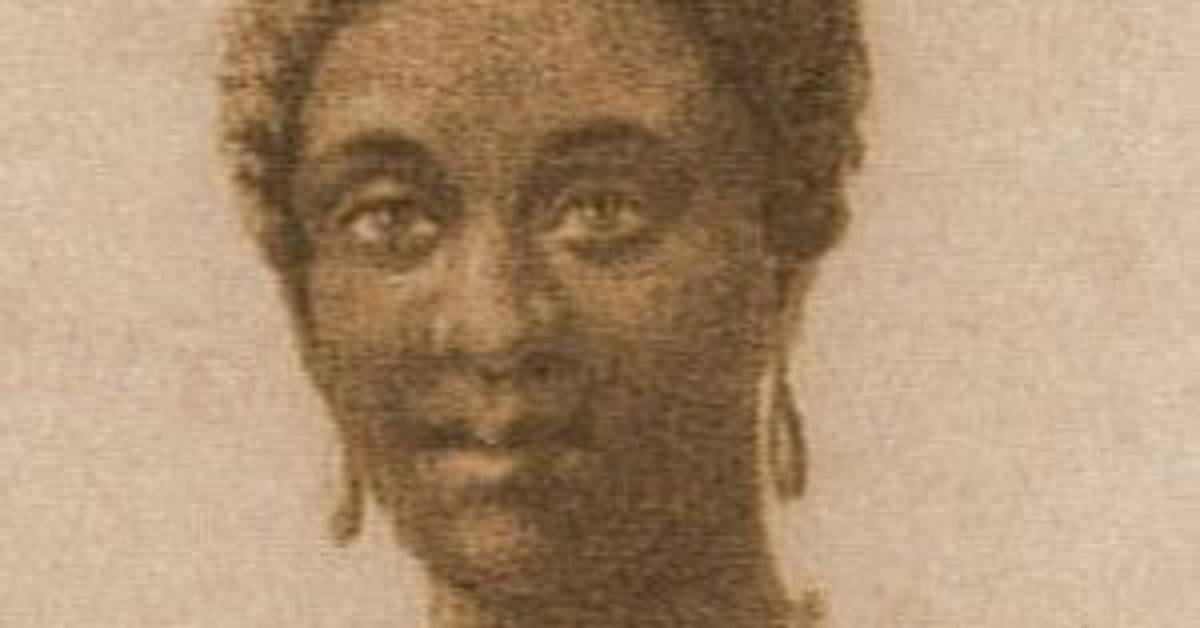
| Height | Unknown |
| Weight | Not Known |
| Body Measurements | Under Review |
| Eye Color | Not Available |
| Hair Color | Not Available |
| Feet/Shoe Size | Not Available |
Facts & Trivia
Phillis Ranked on the list of most popular Poet. Also ranked in the elit list of famous people born in Senegal. Phillis Wheatley celebrates birthday on May 8 of every year.
What is Wheatley's most famous poem?
For instance, “On Being Brought from Africa to America,” the best-known Wheatley poem, chides the Great Awakening audience to remember that Africans must be included in the Christian stream: “Remember, Christians, Negroes, black as Cain, /May be refin’d and join th’ angelic train.” The remainder of Wheatley’s themes …
What was Phillis Wheatley famous for?
In 1773, Phillis Wheatley accomplished something that no other woman of her status had done. When her book of poetry, Poems on Various Subjects, Religious and Moral, appeared, she became the first American slave, the first person of African descent, and only the third colonial American woman to have her work published.
How did Phillis Wheatley feel about slavery?
During the peak of her writing career, she wrote a well-received poem praising the appointment of George Washington as the commander of the Continental Army. However, she believed that slavery was the issue that prevented the colonists from achieving true heroism.
What are Wheatley's most famous works?
Though Wheatley generally avoided the topic of slavery in her poetry, her best-known work, “On Being Brought from Africa to America” (written 1768), contains a mild rebuke toward some white readers: “Remember, Christians, Negroes, black as Cain / May be refined, and join th’ angelic train.” Other notable poems include …
What does the poem on being brought from Africa to America mean?
On Being Brought from Africa to America’ is a short but powerful poem that illustrates the complexity of Phillis Wheatley’s life as an educated but enslaved African American woman. Her careful use of rhyme, meter, and irony help her point out the injustices she experiences.
Alexander Ross
Gaming, Esports & Interactive Media Writer
Alexander Ross has covered the video game industry for a decade, writing deep dives on game design, esports tournaments, VR developments, and gaming culture.