Paulina Rubio height 5 ft 4 in Paulina weight Not Known & body measurements will update soon.
 Chloe Bennett
Paulina Rubio Net Worth 2024, Age, Height, Bio, Birthday, Wiki!
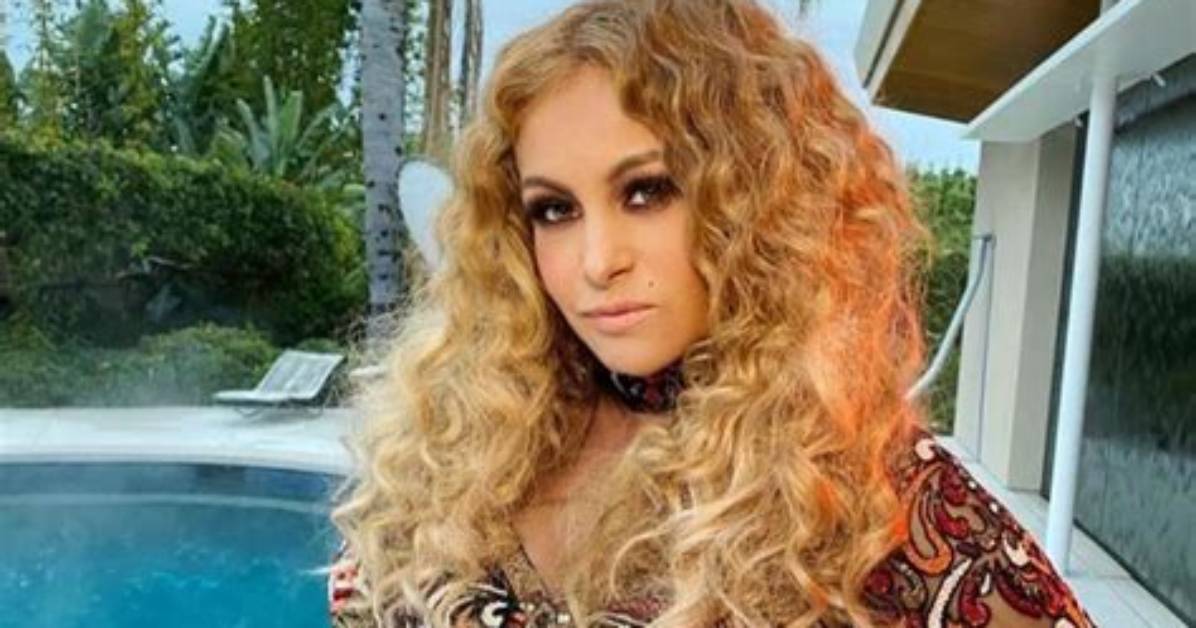
| Height | 5 ft 4 in |
| Weight | Not Known |
| Body Measurements | Under Review |
| Eye Color | Not Available |
| Hair Color | Not Available |
| Feet/Shoe Size | Not Available |
As Rubio has stated of herself “I have been famous since I was born” and according to her mother, Rubio grew up among the filming locations while she worked. A ten-year-old, accompanied by younger brother Enrique Jr. they got a minor role in film El Día del Compadre (1983), filmed in early 1980s. Rubio was taking singing, acting, jazz, painting, and dance lessons while enrolled at what is now the Centro de Educación Artística (CEA) in Mexico. After two years there, Rubio’s parents were contacted by Julisa and Guillermo del Bosque for approval of Rubio’s joining a band that would be formed by children from the center.
Rubio’s first two studio albums, La Chica Dorada (1992) and 24 Kilates (1993), were commercial successes and made her the best-selling Mexican female artist her record label EMI Music. In the mid-1990s she adopted more mature and dance songs for her next two studio albums, El Tiempo Es Oro (1995) and Planeta Paulina (1996), and made her feature film debut in a starring role in Bésame En La Boca (1995). Following a series of concers with the band Timbiriche and ending her contract with EMI Music, Rubio’s career was interrupted, before the release of her fifth studio album under the Universal Music label, the homonym Paulina (2000), which is critically referred to as her best work. Her self-titled album were global successes and made her the best-selling Latin artist of early 2000s. She returned to the top of record charts again with her sixth and seventh studio albums, the crossover Border Girl (2002) and Pau-Latina (2004), respectively. Rubio garnered high praise, including nominations for the Grammy Awards and Latin Grammy Award. Her next records Ananda (2006) and Gran City Pop (2009), which became her to top the U.S. Latin charts. This was influenced by pop and rock, and received very good reviews. She followed it with 2011’s Brava!, which delved into dance-pop. In 2012 and 2013, Forbes reported that Rubio was one of the “50 Most Powerful Women in Mexico” and in 2015 she was included in the “Celebrity 100: Twitter’s most-followed superstars” list.
Chloe Bennett
Culture, Media & Entertainment Columnist
Chloe Bennett explores the intersection of pop culture, streaming entertainment, digital trends, and contemporary lifestyle. Her weekly commentary reaches thousands of culture enthusiasts.