Alina is one of the richest Gymnast from Uzbekistan. According to our analysis, Wikipedia, Forbes & Business Insider, Alina Kabaeva's net worth $10 Million. (Last Update: January 13, 2024)
She began rhythmic gymnastics training at the age of three.
 Robert Thorne
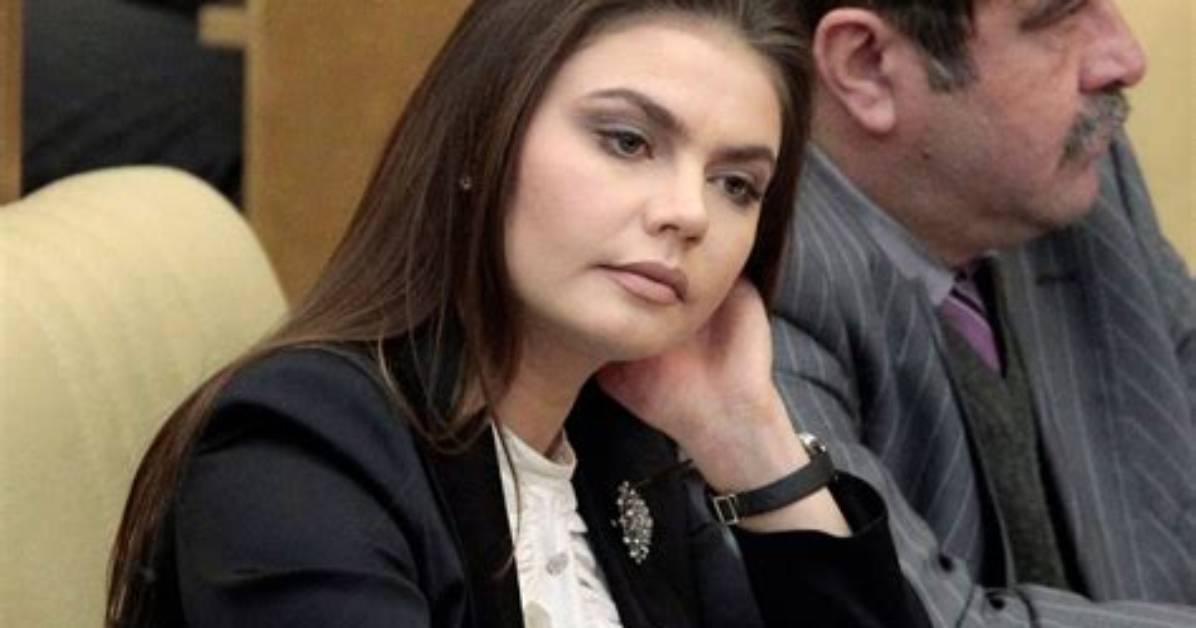
Alina is one of the richest Gymnast from Uzbekistan. According to our analysis, Wikipedia, Forbes & Business Insider, Alina Kabaeva's net worth $10 Million. (Last Update: January 13, 2024)
She began rhythmic gymnastics training at the age of three.
| Net Worth | $10 Million |
| Salary | Under Review |
| Source of Income | Gymnast |
| Cars | Not Available |
| House | Living in own house. |
Viner, the Russian Head Coach, who also served as the Vice President of the FIG Rhythmic Gymnastics Technical Committee at the time, said her gymnasts had been taking a food supplement called “Hyper”, that contained mild diuretics, which, according to Viner, the gymnasts were taking for premenstrual syndrome. When the supply ran out shortly before the Goodwill Games, the team physiotherapist restocked at a local pharmacy. According to Viner, the supplement sold there was fake and contained furosemide. The Committee requested that the Goodwill Games Organizing Committee nullify Kabaeva and Tchachina’s results. The FIG also nullified their results from the World Championships in Madrid, Spain, causing Ukraine’s Tamara Yerofeeva to be declared the 2001 World Champion.
At the 2001 World Rhythmic Gymnastics Championships, Kabaeva won the Gold Medal for the Ball, Clubs, Hoop, Rope, the Individual All-Around, and the Team competitions. At the 2001 Goodwill Games in Brisbane, Australia, Kabaeva won the Gold Medal for the Ball, Clubs, and Rope competitions, and the Silver in the Individual All-Around, and Hoop. However, Kabaeva and her teammate, Irina Tchachina, tested positive to a banned diuretic (furosemide), and were stripped of their medals.
Robert Thorne covers electric vehicle innovations, autonomous driving systems, global mobility trends, and automotive engineering developments.